Gifts from a photo
Pet portrait cross stitch pattern
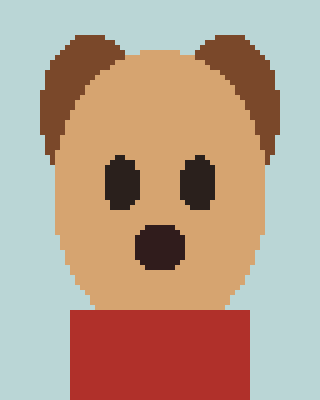
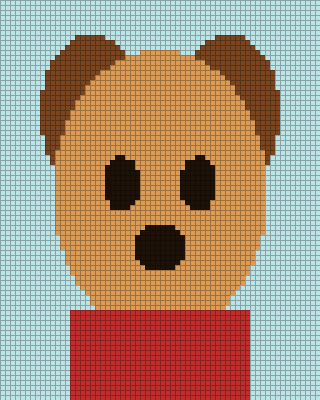
A pet portrait cross stitch pattern is a counted chart of one particular animal, made from a photograph rather than a generic outline. Each square is one cross on the fabric, and each color is a DMC floss number you can buy.
This is one way to make a custom cross stitch pattern from a photo. The studio also covers a general photo to cross stitch pattern.
How it works
1
Crop to the face
Leave a little background, but let the head fill the frame. Ears can touch the edge. A busy room behind the animal becomes confetti you will not enjoy stitching.
2
Set width and colors
Eighty to one hundred forty stitches wide is enough for a recognizable face. Twelve to twenty DMC colors usually covers fur, eyes, and a simple background.
3
Merge the specks, then stitch
Colors with only a few stitches can be merged into a neighbor. Keep the eyes, nose, and darkest shadow as their own floss. Those are what read from across the room.
What makes a photo stitchable
Start with a picture where the face is large and the light is even. A shot near a window, with both eyes visible, is easier than a dark photo taken across a yard. If the dog is a small shape in a field, crop until the head is the subject. The custom cross stitch pattern from that crop will be about the animal, not about the grass.
Fur is never one color. A black dog still needs two or three dark floss shades, or the muzzle looks like a hole. A cream cat needs the warmer tone in the ears and the cooler tone on the chest. If you ask the matcher for only five colors, the eyes often disappear into the fur. If you ask for forty, you will spend the evening hunting single stitches of a color you barely use.
Whiskers and the tiny light in each eye are worth keeping even when they are only a handful of stitches. If the first pass folds them into the surrounding fur, swap those stitches to a lighter DMC after you look at the preview. The free chart on screen is for that kind of decision. The print-ready PDF is what you stitch from once the face looks right.
Size, fabric, and how long it takes
Finished size is stitch count divided by fabric count. A chart 120 stitches wide and 150 tall, worked on 14-count Aida, finishes near 8.6 by 10.7 inches (about 22 by 27 cm). That is a normal frame for a hallway. The same chart on 16-count is smaller and the fur looks finer. On 11-count it is larger and faster, which suits a first portrait.
A width of 80 to 140 stitches is enough for a face people recognize. Two hundred stitches wide is a long project, and most of the extra detail is fur texture you will not see once the piece is on the wall. If you want a cushion or a big hoop, choose a lower fabric count instead of inflating the stitch count.
Plain backgrounds stitch faster. A sofa, a wall, or a bit of sky can stay, in one or two colors. A patterned rug, a cluttered shelf, or another pet in the corner should be cropped out unless that second animal is the point of the gift. Confetti backgrounds are the usual reason a pet portrait gets abandoned halfway.
Giving it, or selling the chart
When you hand the finished piece to someone, write the fabric count and the finished size on a card. They may want to stitch a second one of another animal, or they may only hang this one. Either way they should know it was counted from their photo, not from a stock dog outline.
If you design patterns to sell, the same limits help the buyer. Crop tight, keep the color list short, and merge specks before you export. A commercial-use note is included with the Pro PDF. The free watermarked PNG is for your own planning, not for a shop listing. Stitch Pattern Studio does not upload the photo, so the picture of someone's pet stays on the computer where you made the chart.
Questions
+How many colors should a pet portrait use?
Twelve to twenty DMC colors is a practical range for fur, eyes, nose, and a simple background. Keep the eyes and the darkest shadow as separate colors even if you merge everything else.
+What if the photo is blurry?
A slightly soft photo can still make a good chart, because the stitch grid is already a simplification. Crop to the face and avoid a very high stitch count, which only enlarges the blur.
+Can I stitch a rabbit, horse, or bird the same way?
Yes. The steps are the same for any animal: a large head or body, even light, a quiet background, and a stitch width you can finish. Very thin whiskers or feathers may need a manual color swap after the first match.
+Does the photo get uploaded?
No. The photo to cross stitch pattern conversion runs in your browser. The picture is not sent to a server.
Make the chart from your photo
Crop it, set the stitch width, and preview the DMC colors before you commit. The picture stays on this device.
Open the studio