For a couple, from their day
Wedding photo cross stitch pattern
A wedding cross stitch pattern from a photo is a counted chart of one day: the couple, the bouquet, the dress, or a quiet detail such as two rings on a table. It is a slow gift, which is part of why people make it.
This is one way to make a custom cross stitch pattern from a photo. The studio also covers a general photo to cross stitch pattern.
How it works
1
Pick one subject
A full ballroom scene will not read at a giftable stitch count. Crop to two faces, the bouquet, or the dress. One clear subject beats a tiny couple lost in chairs.
2
Watch the whites
Dresses, shirts, and flowers are not pure white. Keep a warm white and a cool white as separate colors, or the dress melts into the background.
3
Check the size before you commit
On 14-count, 100 stitches is a little over 7 inches. That is a frame, not a bedspread. Raise the fabric count if you want it smaller, not the stitch count if you want it finer.
Which photo to use
The useful wedding photo is the one where you can tell who is who without reading a caption. A portrait with both faces well lit, taken close, beats the wide shot of the whole party. If you want the dress, crop so the bodice and skirt are the shape, and let the room fall away. If you want the bouquet, fill the frame with flowers and leaves and ignore the tent.
Backlight is the usual problem. A couple standing in a doorway can become two dark shapes. If that is the only photo you love, still try it, but lower the color count and accept a graphic result rather than a photographic one. A custom cross stitch pattern from a photo does not invent detail the picture does not have.
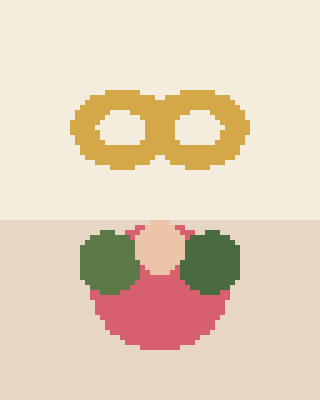
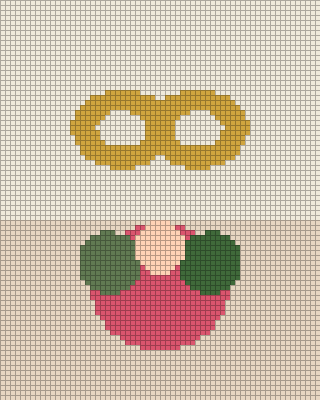
Rings, a cake, or the venue door can be better subjects than a group of twelve people. Small objects want a simple background: linen, wood, or a plain wall. The example on this page is an illustrated bouquet and two rings, run through the same matcher the studio uses, so you can see how flat colors become a stitch grid.
Whites, skin, and flowers
Wedding pictures are full of near-whites. A dress, a shirt, a veil, and a cloud are four different floss colors if you let them be, and one muddy cream if you do not. After the first conversion, look at the floss list and merge only the whites that are truly the same object. Leave the veil lighter than the dress if the photo shows that difference.
Skin needs a narrow range, not the whole flesh-tone drawer. Two or three DMC shades are enough for a face at this scale. The danger is a background brick or a wooden pew stealing extra browns that then speckle the cheeks. Crop those out, or merge them into the main skin color if they only appear as noise.
Flowers can carry the color so the clothing stays calm. Greens for leaves, one or two pinks or reds for blooms, and a dark green for shadow. Twenty colors is plenty for a bouquet portrait. Past that you are stitching confetti between petals.
A gift you can finish
People often start a wedding piece at a size they will not finish before the first anniversary. Decide the frame first. A 8 by 10 inch opening on 14-count is roughly 110 by 140 stitches. That is a serious project and a recognizable couple. Larger than that, work on 11-count if you want a big physical piece without doubling the stitches.
The studio shows inches and centimeters before you convert, from the stitch width and the fabric count you pick. Use that number. Do not guess from the preview on screen, which is only a picture of the grid.
If you make charts for other couples, export the Pro PDF when the color list is clean. It includes the symbol chart, the black-and-white version for a cheaper print, the floss shopping list, and a commercial-use note. The photo itself never leaves the browser, which matters when the picture is someone else's wedding.
Questions
+Can I turn a phone photo from the ceremony into a chart?
Yes, if the faces or the bouquet are large in the frame. Crop tightly. A wide, dark reception photo will make a noisy chart no matter how many colors you allow.
+How do I keep the dress from blending into the background?
Use two whites: one for the dress and a slightly darker neutral for the wall or veil. If the matcher combines them, swap the dress stitches to a lighter DMC and look again.
+What stitch count works for a framed gift?
Around 100 to 140 stitches on the long side, on 14-count Aida, finishes near a standard frame. Check the inch and centimeter readout in the studio before you convert.
+Is this a photo to cross stitch pattern I can sell?
The Pro download includes a commercial-use note for patterns you generate. The free watermarked PNG is for planning and is not licensed for resale.
Make the chart from your photo
Crop it, set the stitch width, and preview the DMC colors before you commit. The picture stays on this device.
Open the studio